Couples Counseling: The Key for Restoring Your Bond
Marriage counseling acts as an important resource for partners seeking to restore their connection. It offers a structured environment where underlying issues can be handled. Through directed dialogue and therapeutic techniques, couples can enhance their communication skills and navigate conflicts. However, many individuals fail to realize when they need this support. Understanding the indicators and benefits can be a major first step in this transformative journey. What might those indicators be?
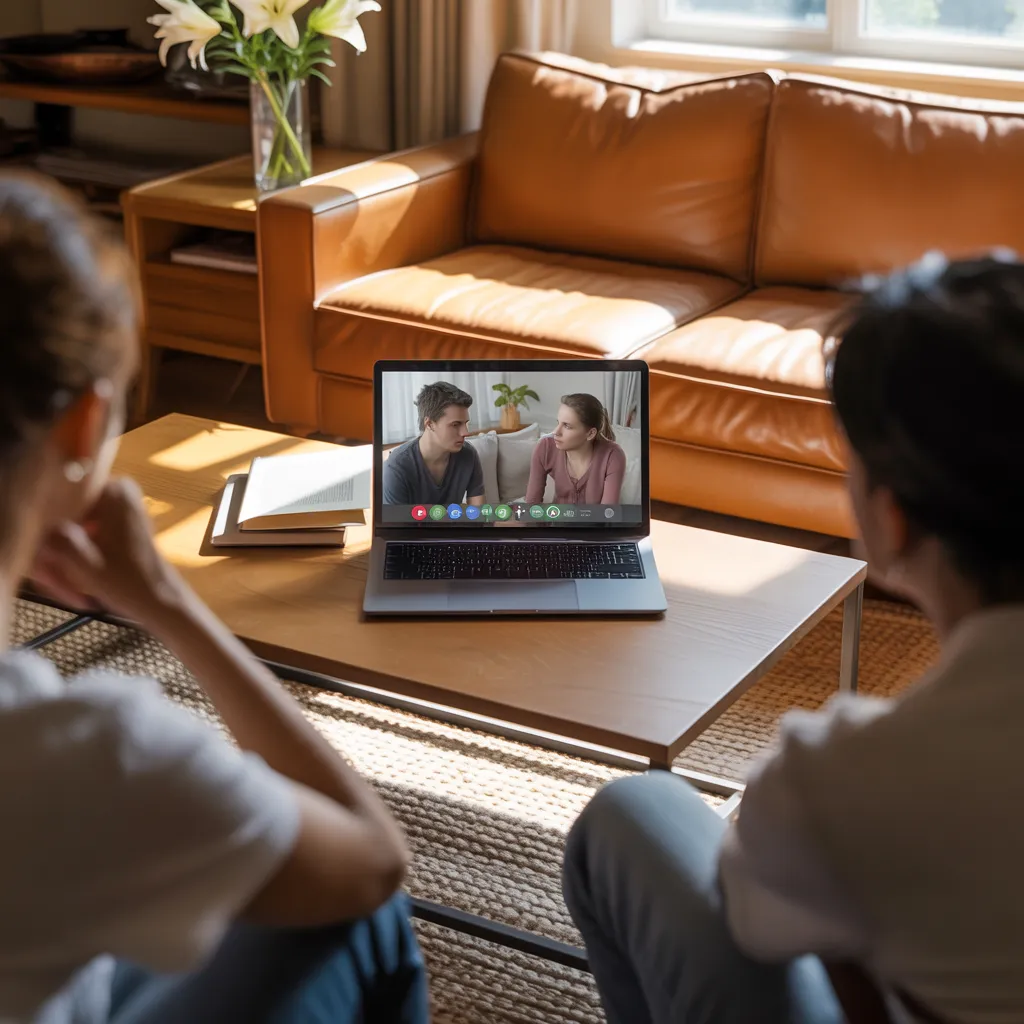
Learning About Couples Counseling: What It Is and How It Works
Couples therapy functions as an organized framework for partners seeking to settle issues and enrich their relationship. It creates a protective setting where each person can communicate their sentiments and perspectives with the help of a qualified counselor. The process typically involves multiple sessions, during which partners analyze communication patterns, recognize underlying issues, and formulate strategies for improvement.
Therapists use several methods suited to the couple's specific needs, such as methods like cognitive-behavioral approaches or EFT. These techniques assist partners to comprehend each other's viewpoints and build empathy. Relationship counseling not only handles immediate issues but also supplies partners with resources to address future obstacles.
By actively participating, couples learn to articulate their needs and create healthier dynamics. Eventually, couples counseling seeks to reinforce the emotional bond, encourage mutual respect, and promote lasting change, creating the foundation for a more fulfilling partnership.
Detecting the Signs That Your Relationship Needs Help
When partners begin to notice persistent patterns of conflict or emotional distance, it may suggest that their relationship requires professional guidance. Warning signs often manifest as repeated conflicts over trivial matters or a escalating difficulty to communicate effectively. Partners may feel more like roommates than romantic companions, contributing to a decline in emotional bonding and care. An increase in hostility, negative feedback, or protective behavior can further undermine the foundation of trust.
Additionally, partners may experience feelings of loneliness, even when together, indicating a deeper emotional disconnect. If partners find themselves avoiding difficult conversations or distancing themselves from shared activities, it can signal an urgent need for help. Acknowledging these warning signs is critical, as early intervention can stop further deterioration and pave the way for healing. Accepting the need for assistance is the first step towards renewing the relationship and restoring connection.
The Benefits of Seeking Professional Guidance
Pursuing professional guidance can significantly enhance a couple's ability to navigate their challenges, as trained therapists offer valuable insights and tools tailored to their unique dynamics. Couples counseling creates a safe environment where partners can openly express their feelings and concerns without judgment. This therapeutic space allows each individual to articulate their needs, fostering mutual understanding.
Moreover, therapists aid couples identify patterns of behavior that may hinder their relationship, equipping them with strategies to surmount these obstacles. By facilitating constructive communications, therapists enable partners to examine underlying issues, encouraging emotional intimacy and connection.
Additionally, access to professional guidance can reduce feelings of isolation, as couples realize they are not alone in dealing with relationship problems. In summary, seeking professional support equips couples to establish healthier communication complete article methods and conflict-resolution abilities, eventually leading to a more resilient and enriching partnership.
How Communication Functions in Couples Counseling
Strong communication functions as the cornerstone of effective couples counseling. It allows partners to articulate their feelings, needs, and concerns without reservation, encouraging a deeper understanding of their partner. In this setting, individuals learn to articulate their thoughts without fear of judgment, which can substantially reduce miscommunications and emotional distance. Active listening becomes vital, as it facilitates empathy and validation of every partner's experiences.
Counselors often emphasize the value of non-verbal communication, such as body language and tone, which can convey emotions with greater impact than copyright alone. Creating a safe environment for dialogue empowers couples to tackle difficult topics while decreasing defensiveness. Additionally, effective communication skills cultivated in counseling can have lasting effects, enabling partners work through future conflicts with greater ease. In the end, strengthening communication skills is fundamental for restoring trust and intimacy within the relationship.
Techniques Employed in Couples Therapy to Strengthen Bonds
Strategies applied in couples therapy are designed to strengthen relational bonds through systematic methods. Productive communication skills development, conflict resolution strategies, and emotional connection exercises are among the core strategies implemented. These strategies cultivate understanding, promote harmony, and strengthen emotional bonds between partners.
Communication Skills Development
In what ways can couples strengthen their communication to create more meaningful bonds? Couples therapy typically concentrates on enhancing communication techniques, vital for fostering lasting connections. Therapists introduce techniques such as active listening, which encourages partners to fully engage with each other's thoughts and feelings. Through summarizing and recognizing feelings, individuals gain skills in conveying understanding and emotional support. Nonverbal communication, including eye contact and body language, is also emphasized, as these cues can greatly impact interactions. In addition, applying "I" phrases supports couples in expressing their feelings without attributing blame, cultivating a teamwork-based climate. Using these methods, partners can develop a nurturing space where each person feels understood and appreciated, eventually deepening their emotional connection and improving their total relationship fulfillment.
Methods for Conflict Resolution
Building on the foundation of better communication, couples often encounter conflicts that demand resolution strategies to maintain a healthy relationship. Proven conflict resolution techniques, such as active listening and reframing, play a crucial role in couples therapy. Active listening helps partners to fully understand each other's perspectives, promoting empathy and reducing misunderstandings. Reframing enables individuals to view conflicts from a different viewpoint, facilitating collaborative problem-solving. Moreover, establishing ground rules for discussions can prevent escalation and create a safe space for expressing feelings. Techniques like "time-outs" help partners decompress before addressing issues, ensuring more constructive interactions. By implementing these strategies, couples can navigate conflicts more efficiently, ultimately strengthening their emotional bond and enhancing relationship satisfaction.
Exercises for Emotional Connection
Whereas couples often struggle to maintain emotional intimacy amidst daily stressors, participating in targeted emotional connection exercises can significantly enhance their bonds. These exercises, often used in couples therapy, seek to promote openness and understanding. One common technique involves sharing personal stories, allowing partners to explore each other's experiences and emotions profoundly. Another effective method is practicing active listening, where one partner expresses feelings while the other listens without interruption, cultivating empathy. Couples may also practice gratitude exercises, where they express appreciation for each other, bolstering positive feelings. These practices not only foster a stronger emotional connection but also encourage open communication and trust, ultimately creating a more resilient relationship.
Navigating Typical Obstacles in Relationships
While relationships commonly face multiple challenges, couples can navigate these obstacles with clear communication and mutual understanding. Common concerns such as different values, financial difficulties, and intimacy concerns can create friction. When partners make a priority of open dialogue, they can communicate their feelings and needs without being defensive. This approach promotes empathy and aids in identifying underlying concerns.
Moreover, acknowledging that every relationship might experience times of conflict is crucial. Couples who understand these phases as possibilities for growth can change difficulties into strengths. Reserving time for regular check-ins permits partners to address concerns before they escalate. Additionally, seeking couples counseling can deliver important tools for conflict resolution, strengthening both communication skills and emotional intimacy.
Finally, conquering challenges necessitates devotion from both partners to work together towards a stronger relationship, reinforcing the bond that initially brought them together.
Optimizing Your Couples Counseling Sessions
To fully benefit from the advantages of couples counseling, partners must engage with the process with an open mind and a willingness to communicate honestly. Clear communication is crucial; conveying thoughts and feelings openly encourages understanding and connection. Couples should prioritize regular attendance and actively take part in sessions, as consistency is key to progress. Setting specific, achievable goals can also enhance the counseling experience, offering a clear framework for growth.
It's essential for partners to practice patience, as significant changes may take time. They should also think about their personal roles in the relationship dynamics, accepting personal contributions to difficulties. Apart from sessions, applying insights learned during counseling into daily life is critical for lasting improvement. Ultimately, maintaining a supportive atmosphere, where both partners feel heard and valued, enhances their bond and encourages positive change. By wholly committing to the process, couples can tap into the transformative potential of counseling.
FAQ
What Is the Average Length of Couples Counseling?
Couples therapy typically takes anywhere from six weeks to six months, varying with the couple's particular needs. Sessions are often held on a weekly or biweekly basis, allowing couples to tackle concerns and develop healthier communication patterns over time.
Is Counseling Effective for Infidelity Problems?
Counseling can provide essential support for couples facing infidelity issues. It helps partners talk openly, rebuild trust, and explore root problems, ultimately encouraging healing and improving the relationship's prospects for recovery and growth.
What if One Partner Is Unwilling to Attend Counseling?
If one partner is reluctant to attend counseling, the other may still find help in individual therapy. This can provide support, insight, and strategies for navigating the relationship, while promoting personal growth and understanding.
Is Couples Counseling Effective for Long-Distance Relationships?
Couples therapy can be highly beneficial for geographically separated couples, as it delivers a platform for meaningful connection and clarity. Through video-based appointments, couples learn to navigate difficulties, enhance emotional connections, and develop strategies for maintaining connection despite physical distance.
How Can I Select the Best Couples Counselor for Our Needs?
Choosing the right couples counselor involves examining qualifications, assessing compatibility, considering specific experience, and examining client testimonials. It's essential to make certain both partners feel relaxed and understood, fostering a nurturing environment for effective communication and growth.